The act of decluttering a bedroom is more than a cosmetic exercise; it is a commitment to a daily rhythm that preserves calm and focus. In the years since the term “clean bedroom” entered common parlance, the bedroom has evolved from a mere sleeping chamber into a personal sanctuary where rest, work, and relaxation intersect. The approach outlined here eschews brand fixation in favor of universal methods—techniques you can apply with any furniture, any budget, and any room size.
What follows is a practical framework: a 30-day plan to reset your space, a printable toolkit to maintain order, and a suite of product-agnostic strategies that work in apartments, dorm rooms, and starter homes alike. The aim is not to create a showroom, but to cultivate an environment where everything has a place and every item earns its keep.
A 30-Day Bedroom Decluttering Plan: Weekly Goals and Quick Wins
The roadmap below is designed to be approachable, even for those juggling work, school, or caregiving. Each week emphasizes a specific theme, with concrete tasks you can complete in under an hour a day. The plan is modular, so you can pause, extend, or adjust milestones to suit your life pace.
- Week 1 — Clear the Surfaces: Target nightstands, dressers, and desks. Remove everything, wipe down surfaces, and decide what stays, what donates, and what goes in the trash.
- Week 2 — Drawers and Closets: Empty drawers one by one; group items into keep, donate, and shred piles. Create a simple folding and stacking system to maximize visibility and accessibility.
- Week 3 — Under-Bed and Floor Space: Declutter under the bed, tidy cords, and introduce low-profile storage bins. Establish a regular cadence for floor maintenance to preserve the sense of space.
- Week 4 — Daily Habits and Maintenance: Implement a 10-minute nightly ritual: beds made, surfaces cleared, and a quick sweep of the floor. Build a weekly maintenance routine into your calendar.
Printable Maintenance Toolkit: Your Pocket-Size Organizer
Printables are powerful because they convert intention into action. The toolkit described here includes a compact weekly reset checklist, a monthly purge sheet, and a color-coded keeping/donate/shred system. These templates are intentionally neutral—designed to be used with any brand of storage solutions and any bedding setup.
- Weekly Reset Checklist: Quick tasks with checkboxes that keep the room tidy without becoming a struggle.
- Monthly Purge Sheet: A guided audit to identify items you no longer need, love, or use.
- Color-Coded System: Keeps items organized by status—green for keep, yellow for donate, red for shred/trash.
Product-Agnostic Organizing Methods: Shelves, Drawers, and Cords
Key to sustainable decluttering is an approach that doesn’t hinge on particular brands or expensive kits. Instead, leverage simple, repeatable systems that fit your space and routine.
- Create a Dedicated “Declutter Zone”: A small, clearly defined area where you sort items as you decide their fate.
- Use Uniform Containers: Clear or labeled boxes that stack neatly, making it easier to see contents and maintain order.
- Cord Management: Bundle and route cords behind the bed or along the edges of furniture to reduce visual clutter and hazards.
- Storage Hacks for Small Spaces: Consider open shelving with labeled bins, slim vertical organizers, and under-bed solutions that maximize height and accessibility.
Series and Case Studies: From Chaos to Calm
Case studies and narrative journeys offer motivation and practical insights. The following mini-theses illuminate how method and mindset converge to create serenity in the bedroom.
Case Study 1 — The Studio Apartment Turned Sanctuary (19th Century Insights Reimagined)
In a compact studio, the line between living and sleeping spaces blurs. The key is to treat every inch as purposeful real estate. An inherited loft bed becomes a design anchor, providing vertical space for a desk, a small wardrobe, and an uncluttered floor area beneath. The decluttering plan here focuses on dual-use surfaces—one for work, one for rest—while maintaining visual calm. The result is a room that feels larger, lighter, and more conducive to both study and sleep.
Case Study 2 — Dorm to Daily Routine
Dorm rooms often arrive pre-cluttered with multiple small storage solutions that multiply over time. A 30-day plan translated into dorm life requires flexibility. The approach is to keep a single, durable set of storage bins, a flat-lidded box for under-bed storage, and a folding chair that doubles as a place to sit while organizing. The discipline of weekly resets translates well to student schedules, turning a temporary space into a functional home base.
Case Study 3 — The Family Bedroom: Shared Spaces with Shared Routines
In family bedrooms, clutter accumulates across sleep schedules and activities. The solution is a shared system: labeled hampers for laundry, a single central dresser with dedicated zones, and a family calendar within reach of the closet. The goal is to minimize friction so that each family member can participate—without drama or guilt—in maintaining a tidy room.
Aesthetic and Practical Minimalism: Design Principles That Support Function
Minimalist design is not about austerity alone; it is about creating a space that breathes. In the bedroom, this means choosing a restrained palette, optimizing natural light, and ensuring textiles feel tactilely inviting while remaining low-maintenance. The following guidelines help translate decluttering into lasting serenity:
- Palette and Materials: Favor neutral tones with soft textures. Natural fabrics such as cotton and linen create visual calm and reduce the sensation of clutter.
- Texture and Layering: Introduce subtle texture through bedding, rugs, or throws. Texture adds depth without visual noise.
- Storage Softeners: Use storage pieces with closed fronts to hide disorder while preserving a clean, cohesive look.
- Lighting for Mood: Layer lighting to avoid harsh contrasts. A soft bedside lamp and ceiling ambient light create a breathable atmosphere that invites rest.
A Glimpse at Time-Traveling Voices: Key Figures Across Eras
To illuminate our approach, consider the perspectives of three thinkers who, across time, have weighed in on order, space, and the human impulse toward serenity.
- Marie Kondo (Late 20th – Early 21st Century): A modern exemplar who popularized conscious consumerism and the practice of keeping only items that spark joy. Her approach—discerning what to keep and what to discard—resonates with the core of any decluttering plan: intentionality as a daily discipline.
- Henry David Thoreau (19th Century): A transcendentalist whose reflection on simple living in Walden offers a philosophical lens for minimalism. Thoreau’s insistence on removing excess to reveal essential beauty informs the mindset behind a calm bedroom as a beacon of clarity.
- Jane Jacobs (Mid-20th Century): An urbanist who championed density managed through thoughtful, human-centered design. Her ideas about order, lived experience, and the importance of human-scaled spaces contribute to the philosophy that a decluttered room can be a sanctuary for living well in small spaces.
A Real-World Resource: The Loft Bed as a Case Study
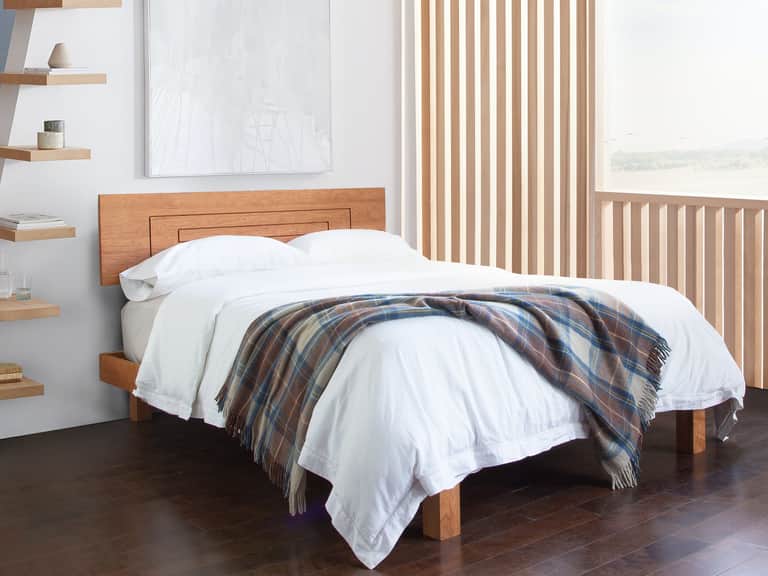
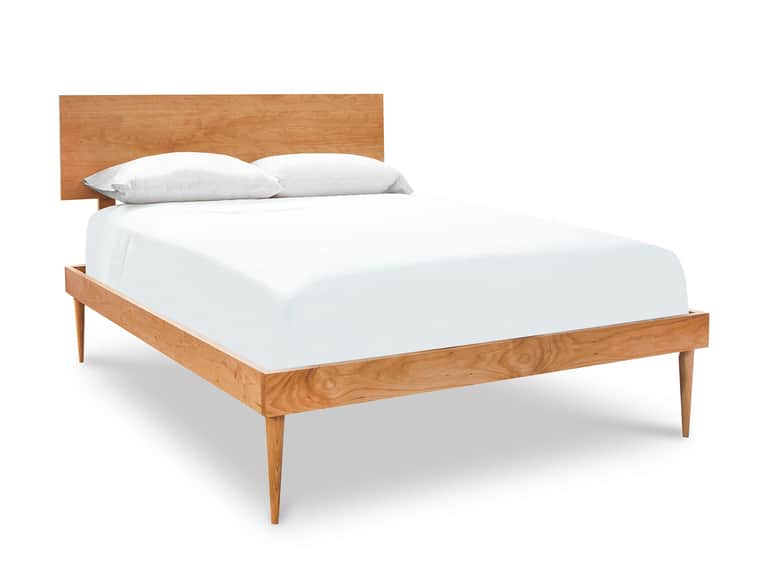
The Loft Bed, a product featured in contemporary design catalogs, embodies the minimalist ethos by elevating the sleeping platform to open floor space beneath. This kind of furniture choice aligns with the decluttering agenda: it creates room for a compact work nook, a wardrobe, or simply a generous walking area. The loft bed serves as a practical illustration of how thoughtful, space-efficient design contributes to a cleaner, calmer bedroom. The Loft Bed from Vermont Furniture Designs, with its solid sustainably harvested cherry wood and traditional joinery, offers a tangible model for designers and homeowners seeking durable, low-profile furniture that supports a tidy sleeping space. (Product details and imagery are provided below.)
Seasonal and Routine Maintenance: Keeping the Momentum
Decluttering is not a one-off event; it is a recurring discipline. Seasonally, you can recommit to keeping surfaces clear, refreshing textiles, and reassessing storage solutions. In spring and autumn, a thorough closet audit can illuminate opportunities to re-home items that no longer fit your lifestyle. The routines you establish—especially a nightly 10-minute reset—will compound, turning a once-a-month bulwark into a weekly habit that preserves the calm you worked so hard to achieve.
A Practical Buyer's Guide: Selecting Bedding and Accessories for a Calm Bedroom
While this guide emphasizes methods over brands, some thoughtful purchases can support your decluttering goals. Bedding, particularly, can become a sense of ritual that contributes to a serene sleep environment. In the product section below, we highlight options that emphasize sustainability, durability, and ease of care, reinforcing the principle that functional items should also be aesthetically soothing.
Loft Bed in Focus
The Loft Bed offered by Vermont furniture designers represents an ethos of space-saving design with a warm, natural feel. This bed’s solid cherry wood construction and traditional joinery embody the balance of durability and clean line aesthetics. Its ability to maximize floor space makes it a natural ally in a decluttering strategy, particularly for small rooms or shared spaces where vertical space is a premium.
Closing Thoughts: The Promise of a Calm, Clutter-Reduced Bedroom
Decluttering is not merely about removing objects; it is about cultivating a mindset where your space reflects the life you want to live. The practical routines, printable tools, and minimal-design approaches outlined here aim to help you build a reliable, repeatable system that persists through life changes. By combining method with meaning, your bedroom becomes not just a place to sleep, but a dependable sanctuary for rest, focus, and renewal.