 Bedding
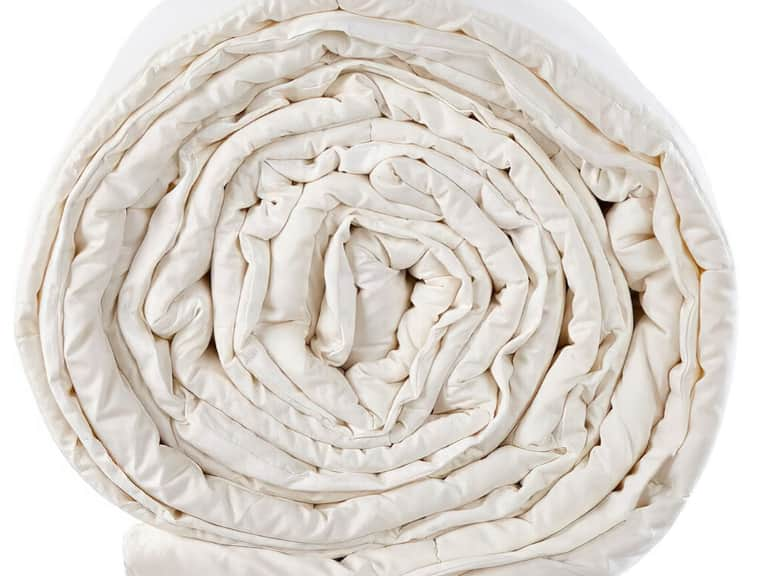
Sleep and Beyond myComforter Light
Stay perfectly comfy year-round with a natural wool comforter that wicks moisture, regulates warmth, and resists dust mites—quietly cozy, breathable, and easy to care for.
Wool comforters are prized for their natural temperature regulation, breathability, and moisture-wicking properties. This category highlights woven wool for thermal insulation without excessive weight, making them suitable for varied seasons. Understanding fiber structure helps explain why wool comforters feel warm in cold nights while remaining breathable during warmer periods.
Key features often include carded or combed wool fibers, with blends that balance softness and durability. Look for qualities such as itch-free finishes, even stitch patterns, and robust corner ties to maintain loft. Wool’s natural crimp contributes to loft retention, helping the comforter maintain its insulating layer over time.
Among notable products in this category are Sleep and Beyond and myComforter Light, each offering distinct benefits. Sleep and Beyond emphasizes dense, high-loft wool for sustained warmth, while myComforter Light prioritizes a lighter weight with efficient warmth. Both options leverage wool’s moisture management to reduce overheating during sleep.
Practical uses for wool comforters include year-round layering, allergy-conscious bedding choices, and compatibility with various bed sizes and duvet inserts. Wool’s antimicrobial properties can contribute to a cleaner sleep environment, and durability is enhanced when paired with appropriate care routines, such as gentle washing and proper drying to protect fiber integrity.
Understanding care guidelines and material composition helps users select a wool comforter that aligns with personal comfort preferences, climate, and bedding system. Consider fiber length, wool grade, and weave structure when evaluating warmth, texture, and performance. This category integrates bedding essentials like sheets and pillows to support a cohesive sleep setup.
Bedding